Get a PIC first
Anyone keeping cattle, sheep, goats, pigs and some other livestock, even a few, needs a Property Identification Code (PIC) from their state or territory agriculture department.
Healthy herds, fair deals.
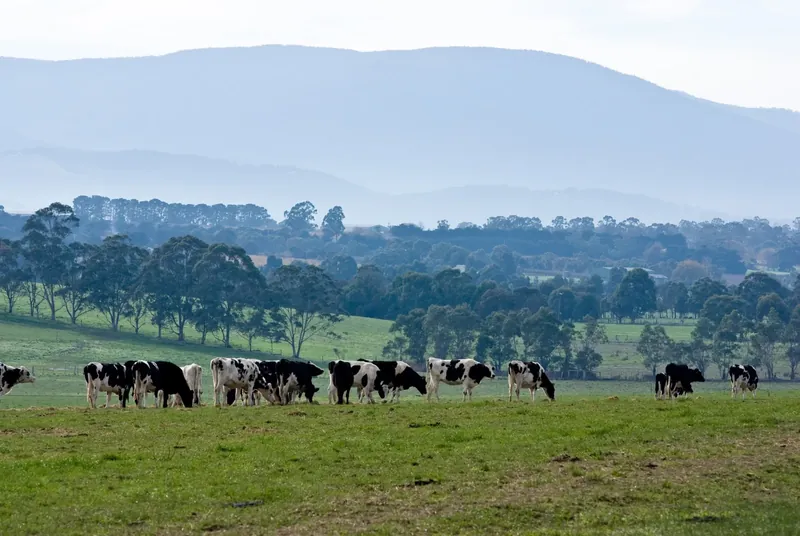
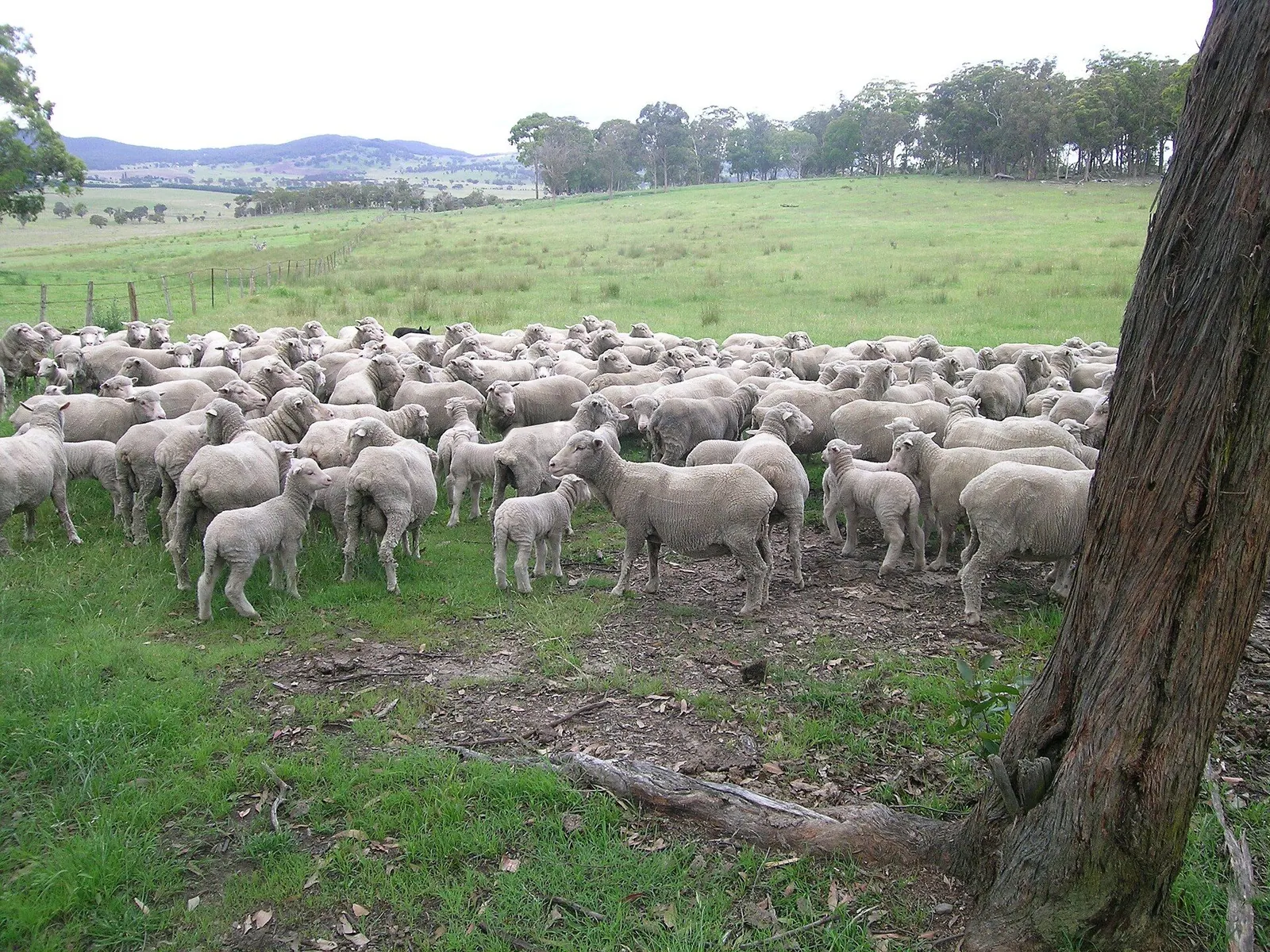
Photo: Walcha, New England, New South WalesBuy and sell cattle, sheep, goats and more, with registration details checked before every livestock listing goes live.
We bridge the gap between buyer and seller with registration checks that happen before any listing goes live.
Transparency is key to healthy herds. Ask questions directly and get the history you need for a fair deal.
Stay informed with expert guidance on breed health, market trends, and sustainable management practices.
Handy tool: convert c/kg, $/lb and $/cwt
Handy tool: what is my mob worth at a c/kg price?
Handy tool: work out your marking and weaning %
Handy tool: work out calving and lambing dates
Handy tool: how much water is in my tank or dam?
Handy tool: how long will each paddock feed my mob?
Call 0419 182 804 or email support@realmgroupglobal.org.
Mon–Fri, 9am–5pm Melbourne time (AEST/AEDT)
Scan to open this page
realmgroupaustralia.org/services/livestock
Call 0419 182 804 · support@realmgroupglobal.org
This season · Spring (September to November)
Up north it’s the dry season (about May to October). Timing varies a lot by district and year, so go by your own country and the local forecast. Seasons in each state
Doing it in Australia
Australia’s traceability system lets every animal be followed from paddock to plate. Here’s what it means for you.
Anyone keeping cattle, sheep, goats, pigs and some other livestock, even a few, needs a Property Identification Code (PIC) from their state or territory agriculture department.
Cattle, sheep and goats carry NLIS-approved identification, and every movement between properties is recorded on the NLIS database. Electronic ID (eID) for sheep and farmed goats is being phased in nationally, so check the key dates for your state.
Livestock Production Assurance (LPA) accreditation is what lets you fill in a National Vendor Declaration (NVD or eNVD), the document most buyers, agents and processors ask for with every mob.
Unexplained sickness or deaths in livestock: ring the Emergency Animal Disease Watch Hotline on 1800 675 888. It is better to report and be wrong.
General information only, not legal, tax or financial advice. Rules differ between states and change over time, so check the official site before you act. These organisations are independent and are not REALM partners. Links checked 07/10/2026.
Good to know
Quick answers from our FAQ. Still stuck? Ask the Chat Assistant or give us a call.
Yes. In every state and territory, anyone keeping cattle, sheep, goats, pigs and some other livestock, even one or two on a lifestyle block, needs a Property Identification Code (PIC) from the state or territory agriculture department. Stock also need NLIS identification, and each move between properties is recorded on the NLIS database. Running stock in Australia →
Yes. Listings for land, livestock and broker services must include the relevant licence or permit information before they go live. In Australia that usually means the selling agent’s licence for land, and for cattle, sheep and goats a Property Identification Code (PIC), NLIS identification and a National Vendor Declaration (NVD) when they move. Your state or territory agriculture department and Integrity Systems have the official details. Running stock in Australia →
Sign in, open the REALM Marketplace and choose Sell. Pick the country, add photos and details, and pay the one-time listing fee. There is no subscription. Go to the marketplace →
Farmland, grazing country and rural homes from owners and licensed agents.
Learn moreClearing sales, machinery and livestock auctions, plus results.
Learn moreTractors, harvesters, balers and implements from trusted sellers.
Learn morePlain-English guides, and apply online with our sister brand Pay In Time Finance.
Learn moreGroups, comments and connections with farmers worldwide.
Learn moreHay, feed, seed and produce, plus practical growing advice.
Learn more