Get the free REALM AU app
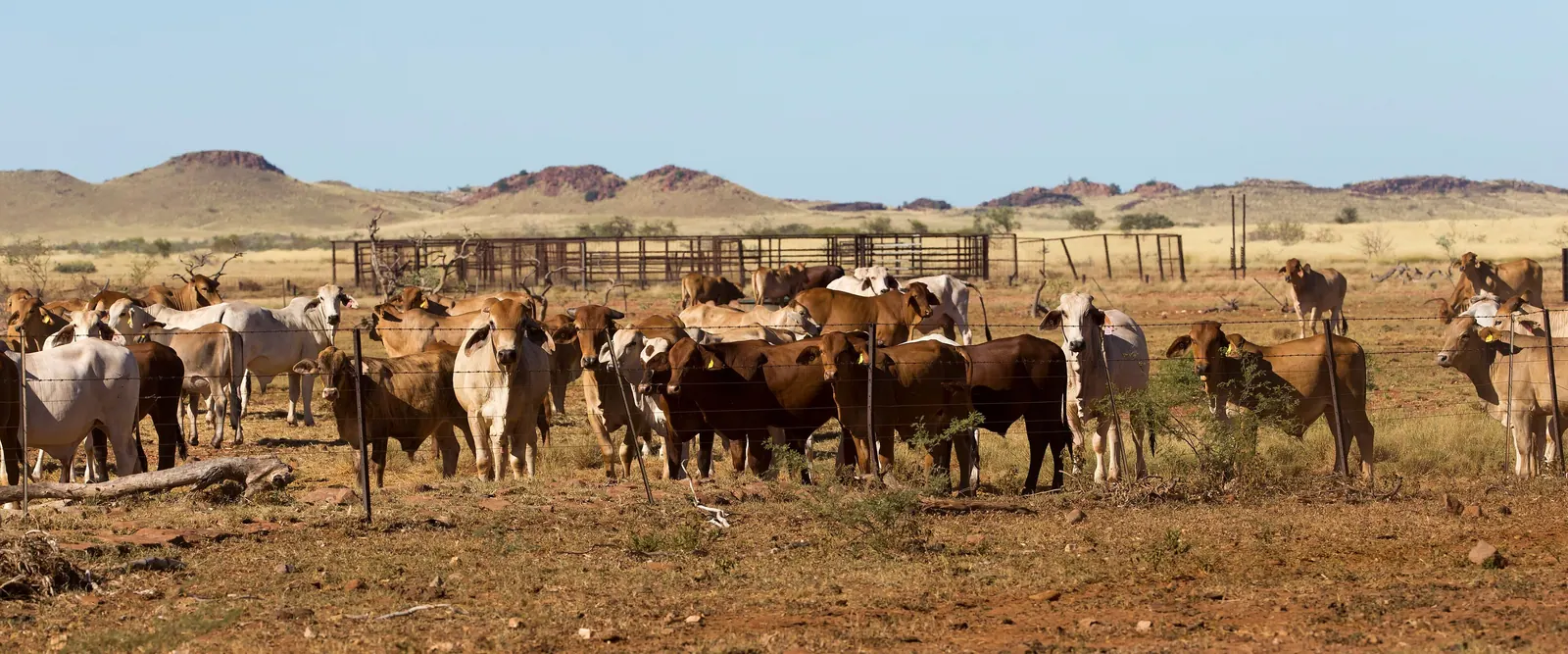
A mob of Brahman cattle coming in to water on red dirt at Karratha Station in the Pilbara, Western Australia
Australia guide

Australia's farming regions

Same country, very different farming. A quick guide to the climate, the rain and what's grown in every state and territory, with links to the people who know it best.

  • 8 states and territories
  • 3 time zones
  • Tropical north, temperate south
Photo: Karratha Station, Pilbara, Western Australia
Tap a state or territory to jump to it.

Southern-hemisphere seasons. Summer is December to February and winter is June to August. In the south most crops are sown in autumn and harvested from late spring into summer. In the tropical north the year runs on the wet season (roughly November to April) and the dry.

New South Wales

Climate

Mild coast, cooler tablelands with frosts and some snow up high, and hot, dry plains further west.

When the rain comes

Rain leans to winter in the south and to summer in the north. It gets drier the further west you go.

The farming year

Winter crops go in from autumn and come off from about October to December. Summer crops like cotton and sorghum are planted in spring.

What's farmed

  • Wheat, barley and canola on the slopes and plains
  • Cotton and rice under irrigation
  • Beef cattle, sheep and wool
  • Dairy on the coast
  • Fruit, nuts and vegetables

Regions to know

  • Riverina: irrigated rice, grains, citrus and wine grapes
  • Central West: mixed cropping and sheep
  • New England and North West: fine wool, beef, cotton and summer crops
  • Hunter and the coast: beef, dairy and horses
  • Western Division: big rangeland grazing country

Victoria

Climate

Temperate, with cool, wet winters in the south and hotter, drier summers in the north-west.

When the rain comes

Most rain falls in winter and spring. Gippsland and the south-west are the wettest farming areas; the Mallee is the driest.

The farming year

Pasture growth peaks in spring. Grain harvest runs from about November into January, starting in the north.

What's farmed

  • Dairy
  • Wheat, barley, canola and pulses
  • Sheep, wool and prime lambs
  • Beef cattle
  • Fruit, vegetables and wine grapes

Regions to know

  • Gippsland: dairy and beef on green, reliable country (REALM's home office is in Warragul)
  • Western District: wool, lamb, beef and dairy
  • Wimmera and Mallee: grains and pulses
  • Goulburn Valley and northern Victoria: irrigated dairy and orchard fruit

Queensland

Climate

Tropical in the north, subtropical in the south-east, and semi-arid across the big western grazing country.

When the rain comes

Summer rain. The north has a wet season (roughly November to April) and a long dry.

The farming year

Sugar cane crushing runs through the drier months, mid-year to late in the year. Both summer and winter crops are grown in the south.

What's farmed

  • Beef cattle
  • Sugar cane along the coast
  • Grains and cotton
  • Bananas, mangoes, avocados and vegetables

Regions to know

  • Darling Downs: grain, cotton, feedlots and dairy
  • Central Highlands: grains, cotton and beef
  • Coastal cane belt: from Bundaberg and Mackay up to the Burdekin and the far north
  • Lockyer Valley: vegetables
  • Western and northern grazing country: large beef cattle stations

Western Australia

Climate

Mediterranean in the south-west, desert in the middle and tropical in the Kimberley.

When the rain comes

Winter rain in the south-west Wheatbelt; summer wet season in the far north.

The farming year

Seeding usually starts with the autumn break (April to June) and harvest runs from about October to January.

What's farmed

  • Wheat, barley, canola and lupins
  • Sheep and wool
  • Beef cattle on rangeland stations
  • Fruit and vegetables

Regions to know

  • The Wheatbelt: broadacre grain and sheep
  • South-west: dairy, beef, fruit and wine
  • Pilbara and Kimberley: pastoral beef stations
  • Ord River (Kununurra): irrigated crops and fruit
  • Carnarvon: bananas and vegetables

South Australia

Climate

Mediterranean along the farmed south, arid pastoral country further north.

When the rain comes

Winter rain. Goyder's Line, mapped in the 1860s, still roughly marks where reliable cropping rain stops.

The farming year

Crops are sown after the autumn break and harvested from about October to December. Vintage is in late summer and autumn.

What's farmed

  • Wheat, barley, lentils and canola
  • Sheep and wool
  • Wine grapes
  • Irrigated fruit and vegetables
  • Beef on pastoral leases

Regions to know

  • Eyre and Yorke Peninsulas: grain growing
  • Mid North: grains and sheep
  • Riverland: irrigated citrus, almonds and wine grapes on the Murray
  • Barossa, Clare and McLaren Vale: wine regions
  • Limestone Coast: beef, sheep, dairy and wine (Coonawarra)

Tasmania

Climate

Cool temperate. Very wet in the west, drier in the Midlands and the east.

When the rain comes

Rain falls year round, with more in winter. Irrigation schemes now water much of the drier country.

The farming year

Pasture grows strongly from spring into summer. Cherry picking runs over summer; apples in autumn.

What's farmed

  • Dairy
  • Beef cattle
  • Fine wool and sheep
  • Vegetables
  • Apples, cherries, berries and wine

Regions to know

  • North-west coast: dairy and vegetables on red soils
  • Midlands: fine wool, beef and irrigated cropping
  • Huon Valley: apples and cherries
  • Tamar Valley and the east coast: wine

Northern Territory

Climate

Tropical in the Top End, semi-arid to arid in Central Australia.

When the rain comes

A wet season (roughly November to April) brings almost all the rain in the north; the dry season is long.

The farming year

Most mustering and trucking happen in the dry season. Mango harvest is usually around September to November.

What's farmed

  • Beef cattle on large pastoral stations
  • Live cattle export through Darwin
  • Mangoes, melons and other tropical fruit and vegetables

Regions to know

  • Top End (Darwin and Katherine): mangoes, horticulture and cattle
  • Barkly Tableland: big cattle stations
  • Central Australia: arid-zone cattle and some horticulture

Australian Capital Territory

Climate

Cool tableland climate with cold, frosty winters and warm summers.

When the rain comes

Rain spread through the year.

The farming year

Frosts are common from late autumn into spring, so pasture growth slows over winter.

What's farmed

  • Sheep and cattle grazing
  • Small-scale horticulture and wine nearby

Regions to know

  • Rural ACT and the surrounding Southern Tablelands of NSW: grazing country

Country before farms

Every one of these farming regions is on the Country of Aboriginal and Torres Strait Islander peoples, who have cared for these lands and waters for tens of thousands of years. The AIATSIS map shows the many language, social and nation groups across Australia.

Planning the season? Our free rain gauge diary, feed budget and seeding rate tools work anywhere in Australia, in metric units.

Fire, flood or storm? See Be ready for warnings, fire danger ratings and the official links for every state.

Need a hand? The Farm help directory lists rural financial counselling, hardship support and biosecurity hotlines for every state.

This guide is general information to help you find your way around. Local conditions vary a lot, so check with your state agriculture department, agronomist or local agent before you plan.